HELLO, INTERNET.I’m Marc.
I’m Marc.
You can call me Sol.
I make Minecraft mods and work on embedded systems. This is a small collection of what I’ve been building.
Browse my projects ↗JAVA / PYTHON / C++ / A BIT OF EVERYTHING
MARC JERALD SOLVERO
PLEASE WAIT
solmochiMARC JERALD SOLVEROSOLMOCHI COMPUTER ENGINEERINGI’m Sol. I make Minecraft mods and work with microcontrollers, sensors, and code.
01 SELECT A PROJECT↗02FREE PLAY03MEET THE PLAYERI make Minecraft mods and work on embedded systems. This is a small collection of what I’ve been building.
Browse my projects ↗JAVA / PYTHON / C++ / A BIT OF EVERYTHING
mods
firmware
project notes
A command on a dashboard has to become an action on a device. A sensor reading has to become a useful decision. These projects connect both sides.
From a possible incident to a recorded event.
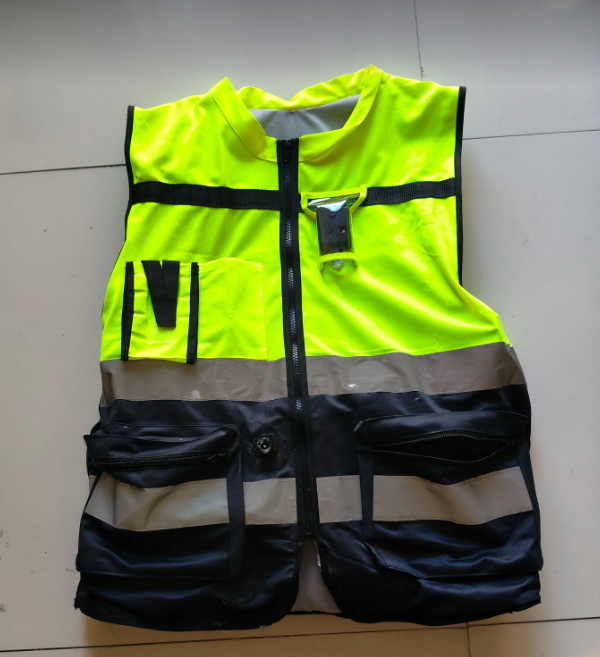
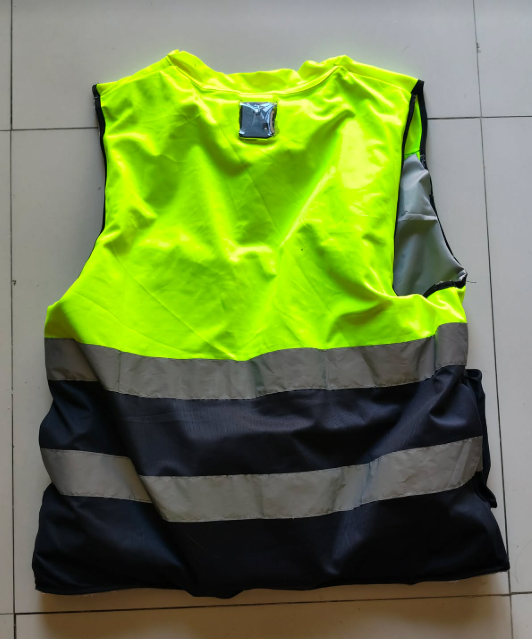
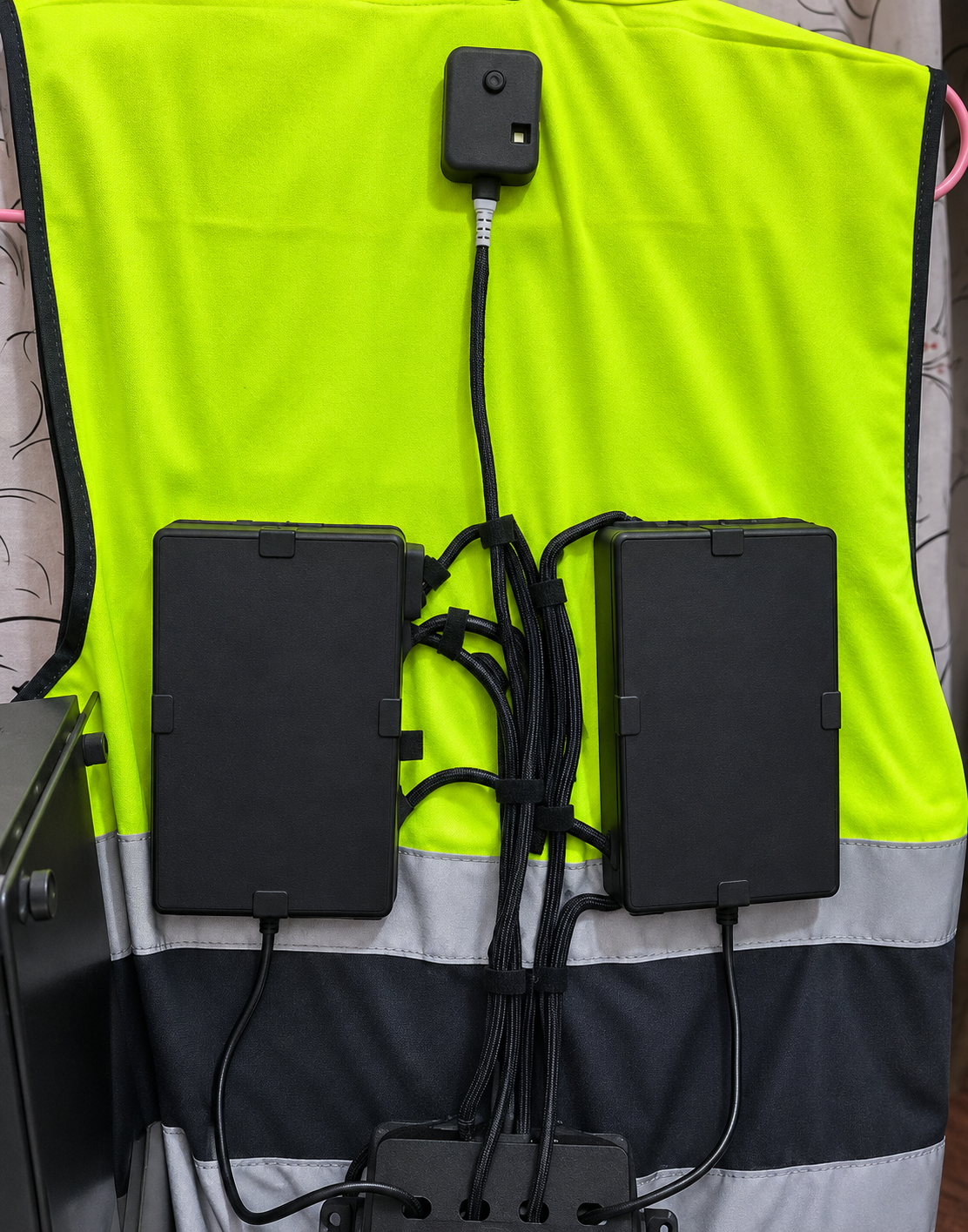
Choose a motion sequence. Watch the rider, the evidence gates, and the incident record respond together.
Choose a sequence, then run.
Uses the documented Balanced thresholds and 4.5-second evidence window. Synthetic samples assume continuity; sensor fusion, storage faults, transport retries and real camera/SMS timing are simplified. This is an explanation of the design, not a crash-accuracy test.
A possible motorcycle incident needs more than a sensor flag: the system also needs to preserve footage and pass useful location information to saved contacts.
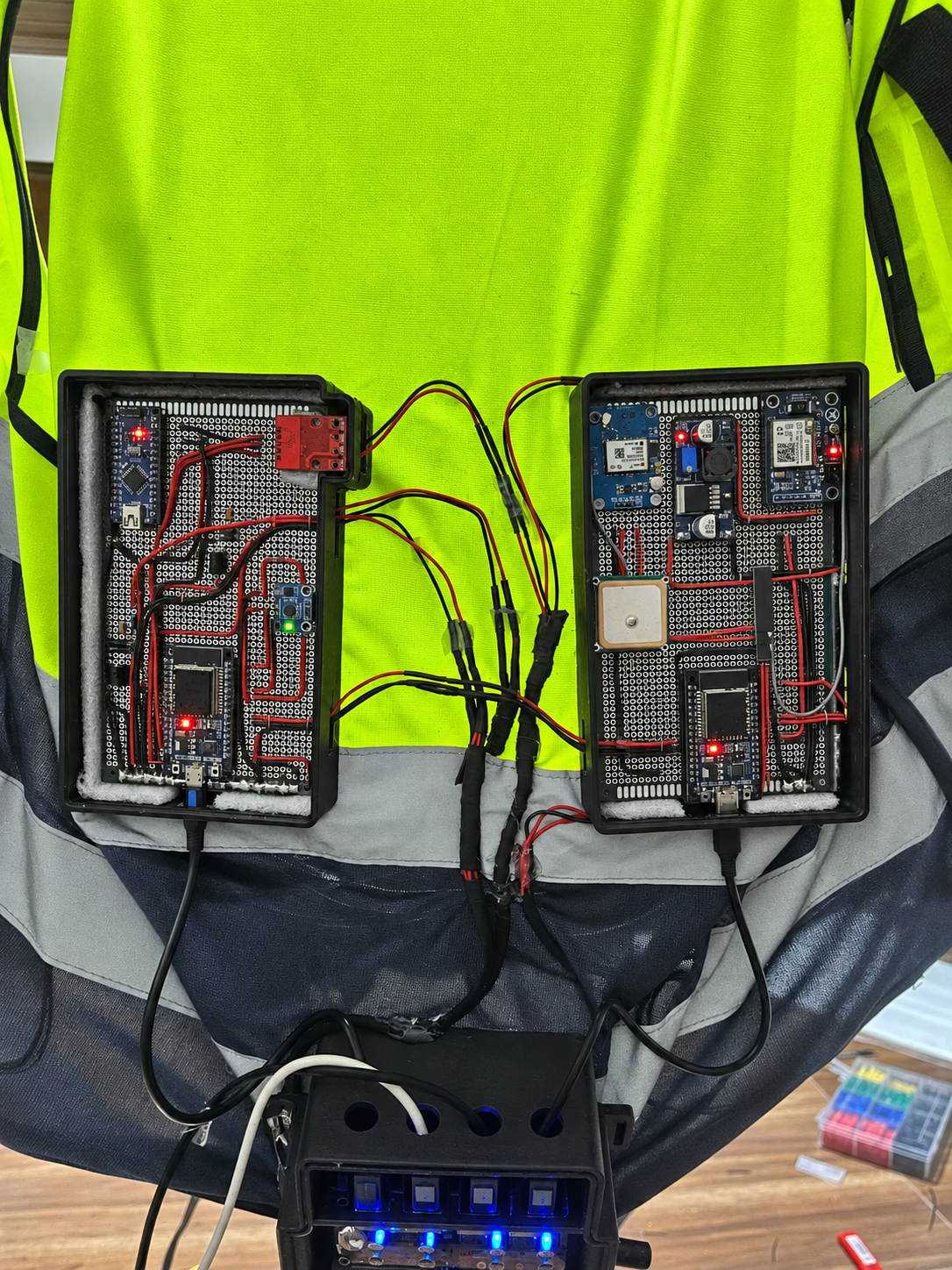
Vest-mounted motion sensing feeds a Main ESP32. A possible incident requests protection of front and rear camera clips and queues an SMS, with coordinates when GPS has a fix.
BMI323 rotation, posture change and sustained tilt are evaluated together. Piezo readings add impact context; a Nano and INA226 provide battery telemetry. Rider and developer dashboards run locally.
I led the system and software work, contributed to hardware, and wrote the thesis paper. Jae (Justin) and Senpaii (Ayo) led the hardware work; Kazu (Brandon) also contributed to the build.
An incident keeps the readings captured when it was accepted. Later live readings don’t replace that record, and camera and message outcomes update separately. The interface distinguishes a request being received from its result being confirmed.
A locker command should come back with a hardware response.
Control the lock, change the physical door state, and interrupt the return path. A request and a confirmation are separate events.
READY
Inspired by the dashboard’s separate lock, door, connection and pending-command states. A one-second acknowledgement and three-second timeout are demo timings, not measured hardware latency. Offline readings are marked stale. The door control can illustrate a forced opening while locked.
Remote lock control needs feedback. Sending “unlock” is only one part of the job; the interface also needs to know whether the hardware responded.
Web and Discord controls reach a Flask backend. An ESP32 connects that software to an Arduino Nano and the locker hardware over UART. Commands have acknowledgement, pending-state tracking and timeouts.
Hall-effect door sensing, touch detection and temperature/humidity readings feed monitoring. Activity logs record actions, while the application manages locker assignments and alerts.
LockSense’s build month and SmartVest’s public release.
Locker hardware, web controls and Discord integration.
View history ↗Firmware, wiring, operating guides and testing resources.
View history ↗Relic stats, leveling, rarity ascension, and rerolls. A progression system for equipment, built around the Aster Table.
Seven configurable rarity tiers, equipment bonuses, and perks for utility tools.
Player progression through Aptitudes, ranked passives, and combat Masteries, with anti-farm safeguards.
Directional guarding, Perfect Blocks, stamina progression, and weapon-specific animations.
Protection rules and quality-of-life improvements for Mine Mine no Mi servers.
Achievement-based titles above players and in chat, with configurable stat buffs.
Damage numbers, health information, and custom boss bars for clearer combat feedback.
Parties, pings, and player tracking for adventures together.
Server-side account registration and login for an additional authentication layer.
Pick a block. Make something. It’ll be here when you come back.
Tap a space to place a block. Tap it again to remove it.

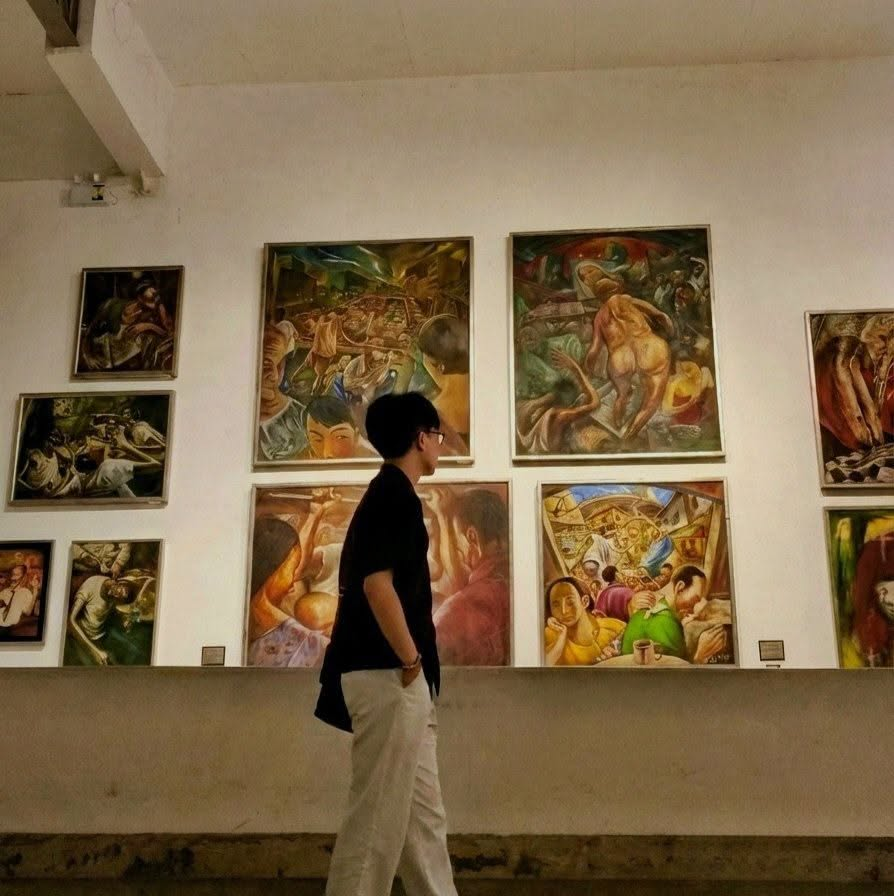
I’m Marc Jerald Solvero. I go by Sol or solmochi online, and my work covers Minecraft modding and embedded systems.
My Minecraft projects focus on progression, combat, and server tools. LockSense and SmartVest are where I’ve worked with microcontrollers, sensors, and software interfaces.